Blog / Bayway Lincoln Service

Blog

All Bayway Lincoln Service Houston, TX Community Houston Lincoln Dealer Bayway Lincoln Houston, TX Houston Lincoln Service 2025 Lincoln Aviator 2024 Lincoln Corsair 2024 Lincoln Aviator 2024 Lincoln Nautilus 2025 Lincoln Corsair 2024 Lincoln Navigator 2025 Lincoln Navigator 2025 Lincoln Nautilus 2025 Lincoln SUVs 2026 Lincoln Aviator 2026 Lincoln Corsair in Houston, TX 2026 Lincoln Nautilus in Houston, TX 2026 Lincoln Navigator in Houston, TX Lincoln Certified Pre-Owned

3 Signs You Have a Faulty Ignition Coil

Many drivers assume the spark plugs provide the power for combustion. The plugs only provide 12 volts of electricity, which isn't enough to ignite the fuel-air mix. The ignition coil attached to each plug provides the electrical boost for combustion. As your Lincoln dealer, we'd like to advise you on the signs you have a faulty ignition coil we need to fix. Your Ignition Coils Are Worn On average, ignition coils are replaced every 100,000 miles. Coils can also become damaged and worn due to other engine problems and may need earlier replacement. A coil's job is to boost the 12 volts from the spark plug. The coil provides more than 30,000 volts, which is channeled into its plug to ignite the fuel-air mix. Age or damage will reduce the power generated by a coil, and these factors can even cause a coil to fail. If the coil doesn't provide enough power to the spark plug, you'll experience misfiring. The lack of sufficient power means most of the fuel in a cylinder won't ignite. This fuel is wasted and forced out of the engine. When we replace the damaged coils, combustion will operate normally again. more You Have an Oil Leak The ignition coil is surrounded by oil inside a sealed casing. This oil helps to lubricate the coil and control its internal temperature. The battery sends an electrical charge to the coil, which massively amplifies this charge and pushes it into the spark plug. The charged spark plugs will then have enough power to ignite the fuel-air mixture in its cylinder As a coil gets older, it becomes less efficient at providing the electrical boost its attached spark plug requires. The coil develops resistance to the electricity supplied by the battery, and this causes the coil to heat up. As the coil gets hotter, the oil around it can boil. The boiling oil can crack the casing. If you see splatters of oil on the ground, you could have a damaged coil. You Have Rough Starts When the starter motor cranks your engine, it provides the mechanical power that starts the engine. The fuel and air will mix in the intake manifold and are injected into the cylinders. When the mixture is compressed, the battery should send the charge to the plugs to ignite it. If you're experiencing rough starts, you could have malfunctioning coils. Damaged coils won't pass on enough power for the plugs to ignite the fuel-air mix. If this happens, it will cause misfiring or even stall. Our technicians will investigate and repair the cause of the problem. If you suspect you have a damaged ignition coil, call us at Bayway Lincoln. Image Via Lincoln

Is Your Car Overheating? Visit Your Lincoln Dealer Today

If you see your overheating light begin to flash, that is your sign that it's time to quickly find a solution! No amount of driving is safe when your vehicle's temperature is too high, and continuing to cruise around can result in irreparable damage to your engine and other moving components. If you have a car overheating, check this list for common reasons before visiting your Lincoln dealer. 1. Troubles With Coolant Coolant, also known as antifreeze, is a mixture of water and glycol. This brightly colored substance runs through your engine in openings called water jackets to allow the liquid a chance to absorb the heat and draw it away from the powerhouse. Issues with coolant can be as simple as not having enough. Punctures in your cooling system can cause leaks, and over time the amount of antifreeze available will begin to dwindle. Another common problem includes blockages in the piping, often from things like rusted tubes or the buildup of deposits. If the coolant can't flow, heat will not be able to move from the engine to the radiator. more 2. Damaged or Clogged Radiator The radiator serves to intake the coolant and spread it out among thin pipes so that air can pass around the liquid for further cooling. The radiator has many delicate components that are prone to damage with age, such as the radiator fins that are layered between the pipes to maintain their shape. Just driving around can kick up pebbles and debris that bend these fins and prevent air from passing through. Alternatively, the radiator can become clogged or begin leaking. Anything that impedes the flow of antifreeze will cause the vehicle's internal temperature to begin rising. A common sign that you've sprung a leak is noticing sweet-smelling puddles beneath the car in unnaturally vibrant shades. 3. Issues With Your Oil Just like coolant, oil is a critical fluid in how your vehicle manages its temperature range. Derived from crude oil, motor oil consists of a petroleum hydrocarbon base and is used to lubricate the moving parts of your engine and assist in keeping things cool. If you are running too low on oil, the moving metal parts of your engine will begin to grind on each other and create friction. Friction isn't the only source of heat resulting from a lack of oil. Unfortunately, not having enough oil can quickly become a compounding concern. Oil that gets too hot will lose its viscosity and thus reduce its capacity to lubricate even further. If you want to keep your car on the road, you'll need to determine why your vehicle is overheating and solve the problem immediately. Putting off the repairs will only make the damage worse, so it's better to solve it sooner than later. Visit Bayway Lincoln today for our expert services and rest assured that your fuel system is in the best hands. Image Via Lincoln

Does Your Lincoln Need to Replace a Car Engine Belt?

The alternator belt is a vital part of your car's engine. As the crankshaft turns, it causes the alternator belt to move. The belt moves across a series of pulleys and causes the pulleys to spin. The spinning pulleys power the alternator, AC, and other important components. As your Lincoln dealer, we'd like to tell you some signs that you need a new car belt. Squealing Noises The alternator belt is manufactured from tough, reinforced rubber, but it can eventually wear out. A belt is usually replaced every 40,000 to 70,000 miles. Your Lincoln's manual will give the exact time for replacement, as the belt is changed during one of your scheduled services. One of the first signs that your belt is starting to go bad is a chirping noise, which will gradually escalate into louder squealing noises. An alternator belt is kept under constant tension to work correctly. Your belt's tension is maintained by a spring-loaded or hydraulic belt tensioner.  A failure in the belt tensioner can cause the belt to squeal even if the belt is in good condition. Our technicians will check the belt, and fix the problem. more Your Belt Is Covered in Oil A good belt can be damaged by problems with other parts of your engine. One possible cause of this damage is an engine oil leak. Engine oil is the lifeblood of your car, as it serves to lubricate all of the moving parts. It also helps to control the temperature in your engine by reducing friction between moving components. Wear or damage, however, can cause an oil leak. Oil and rubber don't mix. If your engine develops an oil leak, the oil may drip onto the rubber. Oil will rapidly react with the rubber and damage it. The oil breaks down the rubber and can cause your belt to stretch. If the leak continues, a damaged belt can eventually snap. Our technicians will find and repair the cause of the oil leak, then we'll replace your belt. Failing Components As we've seen, the movement of the belt powers a variety of key components in your car. Should your belt start to fail, this failure will affect these components. You may, for example, notice that your steering becomes heavy. If you struggle to turn the wheel, the problem could be due to a damaged belt. The belt controls the power steering pump, which allows you to easily turn the wheel. A damaged belt reduces the pump's pressure and makes steering difficult. Once we replace the belt, your steering will return to normal. If you think you may have a worn belt, call us right away at Bayway Lincoln. Image Via Lincoln
5 Signs You May Need a New Catalytic Converter

Essential to the environment, the catalytic converter is the component of the exhaust system that breaks over 90% of toxic emissions down into greener compounds. It's also essential to the optimal performance of your engine and the overall health of your car, so it's vital that you know when to contact your Lincoln dealer to organize a checkup or replacement. 1. Mounting Mileage The converter, also known as the "cat", should last for up to 100,000 miles or ten years, so you might find that it outlasts your car. However, if your vehicle has a lot of distance under its belt, you should stay alert to signs that the exhaust system is struggling. more 2. Rattling Noises Under the Engine The cat consists of a honeycomb-like structure that is covered with tiny pores and coated in metals such as nickel and palladium. If it becomes damaged, usually by age, heat, or a sharp blow, it might start to break up. Pieces of the mesh can then infiltrate your exhaust and cause rattling noises, loudest at ignition, when the engine is running. Left untended, this can cause further damage to the exhaust system, so it's important to get it checked out. 3. Unpleasant Odors A sulfuric smell, similar to rotten eggs, might be another indication that all is not well with the cat. Instead of breaking hydrogen sulfide into harmless sulfur dioxide, a malfunctioning converter will let unburnt fuel into the system, causing an odor that won't enhance your enjoyment of the drive! Other signs include a burning smell or thick black smoke that emits from the exhaust. 4. Underwhelming Performance At ignition, most engines require an air-fuel ratio of 14:1, but a faulty converter will allow too much fuel into the engine, restricting the airflow and potentially damaging the spark plugs. This could cause the engine to die a few seconds after ignition, or lead to a sluggish response when you accelerate or drive at speed. It may also allow unburnt fuel into the exhaust system, wasting it and impacting your fuel efficiency. 5. Failed Emissions Test Most Texas cars receive an emissions test as part of their annual inspection, and if the cat doesn't work then the vehicle won't pass. A fully operational converter is essential to keeping your car on the road. Ignoring the signs of a faulty, clogged, or broken converter could result in the buildup of harmful chemicals in the engine, leading to costly damage down the line. If you think your cat needs checking, or if you have any doubt at all, contact us at Bayway Lincoln to schedule a service. Our trained technicians will meet your highest expectations when it comes to expertise, advice, and repair. Image Via Lincoln

3 Engine Problems You Should Only Fix at Your Lincoln Dealership

Your Lincoln engine is powerful and provides the energy you need to enjoy your car out on the road. To ensure your engine is always in perfect working order, engine problems must be fixed as soon as they appear. In Houston, TX, your Lincoln dealership has the technicians, resources, and equipment to repair any problem. These are a sample of the problems that we can fix for you. more Engine Coolant Leaks Your engine is naturally a hot place. Your Lincoln has a cooling system to control the temperature and prevent it from overheating. Liquid coolant flows through the system and absorbs engine heat. This heat is transported to the radiator, where it's removed by heat exchange. Coolant is essential for your engine and also means that a coolant leak is a serious problem. Coolant can leak from many different places, including worn radiator hoses, a damaged radiator cap, or a loose clamp. Coolant leaks are usually easy to see, as coolant is green, yellow, pink, or blue. If you see or suspect your coolant is leaking, it's important to fix this ASAP. Our technicians will trace the leak and fix it. Once the leak is fixed and the coolant level is restored, your engine temperature will return to normal. Damaged Spark Plugs Spark plugs provide the ignition source for combustion. Fuel and air mix in the cylinders and the fuel-air mix is then ignited by the spark plugs. The resulting controlled explosion produces the power that moves your car. A spark plug can fail for several reasons, including age and wear. They can also be damaged by a high fuel-air mix. Efficient combustion requires huge amounts of air, and this air is provided via your car's air filter. This filter removes contaminants before the air enters your engine. The filter will eventually clog up. Without enough air, your engine will become fuel-rich. The excess fuel won't burn, and some of it will coat the spark plugs in carbon. This carbon damages the plugs, and they will need to be replaced. Reduced Acceleration When you step on the gas, your Lincoln should respond with increased power. If your engine feels like it's lumbering forward rather than sprinting, our technicians will examine it and find the cause of the low power. This problem can be caused by a variety of factors, including a blocked fuel filter, a timing chain problem, or a malfunctioning oxygen sensor. We will examine each of these and other possible causes to find the problem. Our technicians have the assistance of the most up-to-date diagnostic system from Lincoln. We'll connect your car's computer to our system, which will scan your computer for all possible issues. Once the problem is identified, we can repair it. Most acceleration problems can be quickly and easily resolved. Our technicians can repair these and any other engine problem. If you experience engine trouble of any kind, call our service department at Bayway Lincoln. Our experts will find and fix the problem for you. Image Via Pixabay

What's Included in the Lincoln Car Warranty in 2022?

All new and certified pre-owned (CPO) vehicles come standard with a manufacturer-backed warranty, and it's important to understand what is and isn't covered on your car warranty to ensure your receive the best deal when it comes to repairs. If you still have questions after this article, make sure to stop by your local Lincoln Dealer. The Lincoln Dealer Warranty All-new Lincoln vehicles come with four different types of Ford Motor Company-backed coverage. These are the Bumper-to-Bumper Warranty, the Powertrain Warranty, the Safety Restraint Warranty, and the Corrosion Warranty. All four warranties have different lengths of coverage and cover different parts of your car. For instance, the Bumper-to-Bumper Warranty covers nearly all vehicle parts up to 4 years or 50,000 miles. The Powertrain Warranty covers the engine, transmission, and drive axle up to 6 years or 70,000 miles. The Safety Restraint Warranty covers the vehicle's seat belts and airbags for up to 5 years or 60,000 miles, while finally, the Corrosion Warranty covers sheet metal panels if they rust through up to 5 years with unlimited miles. more Lifetime Roadside Assistance Automatically, your new Lincoln is eligible for roadside assistance. Towing, flat tire changes, battery jump-stars, lockout assistance, fuel delivery, and winch-out services make sure you're never stranded. Also included are specific car parts, such as wiper blades up to six months, wheel alignments up to one year or 12,000 miles, and brake pads and linings up to one year or 18,000 miles. It's important to note that this warranty only applies to the original owner of the new vehicle. Certified Pre-Owned Lincoln Warranty This warranty covers over 1,000 components for a total of 6 years or 100,000 miles from the vehicle's original in-service date. Designed to protect your 2022 Lincoln Aviator Reserve from material or workmanship defects, it does not cover day-to-day wear and tear on the vehicle. These items include but are not limited to: Engine Transmission Steering components Brake components Front- and rear-wheel drive systems Electrical system Factory audio systems Emissions Safety systems Need More Protection? If you're not satisfied with the two options above, you can always opt for the Lincoln Extended Warranty, which has four tiers to customize your car. PremiumCARE covers over 1,000 components and is nearly identical to the Bumper-to-Bumper warranty. ExtraCARE covers 113 components, even including a few high-tech items. BaseCARE covers 84 components like the powertrain. PowertrainCARE covers 29 components, which is nearly identical to the Powertrain Warranty. Whether you're looking for a new Lincoln or a new-to-you Lincoln, there are plenty of options to keep the car well maintained. If the standard warranties don't feel like enough, there are four more additional options to choose from – and you can even mix and match. The most important part is keeping track of what warranty expires when, and that's where we come in. Stop by Bayway Lincoln today, and we'll make sure your car continues running smoothly and efficiently. Image Via Lincoln

Time for New Tires? Visit Bayway Lincoln Today

Few things matter more to your safety on the road than your tires. While driving at speed, old and poorly-maintained tires can blow out or lead to skids. This is especially true in wet or wintry weather. Let's take a look at eight certain signs that you should visit your local Lincoln dealer for a set of new tires soon. Large Cracks UV rays from sunlight, extreme weather, and fluctuations in temperature can all break down the structural integrity of tire rubber over time. The first evidence of such damage tends to be cracks. If you ever see cracks of over two inches in the sidewalls of your tires, those tires are no longer safe to drive upon and it's time for replacements. You'll often find hairline cracks in the voids of the treads. As long as such cracks are under two inches in length, they're usually nothing to worry about. But any larger cracks mean the tire is on its last legs and should be swapped out. This is especially true if you can see the under fabric beneath the rubber. more Deep Cuts Tires frequently get cut by small objects on the road. Similar to cracks, if you notice a very small cut, it's unlikely to be a problem. But if you find a larger gash in the rubber, that tire probably has to go. Bulging Blisters Certain bumps and scrapes leave damage in the form of blisters on the rubber. Blisters also occur when the surface rubber layer becomes disconnected from the layer underneath. Any bulge or blister larger than a penny means the tire rubber is compromised. It's time for a new set of tires. Embedded Objects If you notice the head of a nail poking out of the rubber, you most likely have a puncture. Sometimes, punctures can escape detection because the embedded object is keeping the air inside. But a punctured tire is in danger of blowing out on the road at any time. The hole might be repairable, or you might need a replacement. Consistent Air Loss Any inexplicable air loss is a sign of serious tire trouble. There's likely a hidden cut or puncture somewhere. Have a technician examine the tire for you to determine if it's fixable or not. Negligible Tread Depth If a tire survives the above-mentioned types of damage, then its tread depth will eventually diminish to a dangerous level. Once tread depth gets close to 2/32 of an inch, that tire can no longer maintain a safe level of traction. It's time for a new one. Winter's Approaching During the winter months, 2/32 of an inch in tread depth is far too shallow. Icy roads require at least 5/32 of an inch to keep a firm grip. Before winter starts, you should really be swapping out your summer tires for winter tires. Tires designed for the cold are made from a more flexible form of rubber and have more sophisticated treads designed to scoop into the snow and maintain better traction on ice. Your Lincoln Dealer Recommends Replacements It's important to examine your own tires at least once a month. But when you take your car in for routine servicing, always have the technician take a look at the tires as well. They'll often be able to spot small problems which you might have missed. To have your tires inspected, rotated, or replaced, visit Bayway Lincoln. Since opening their first dealership in 1992, the owners Darryl and Linda Wischnewsky have focused on building customer relationships with integrity, consistency, and nothing short of exceptional service. Image Via Lincoln

5 Benefits of Replacing Your Car Air Filter at Your Lincoln Dealer

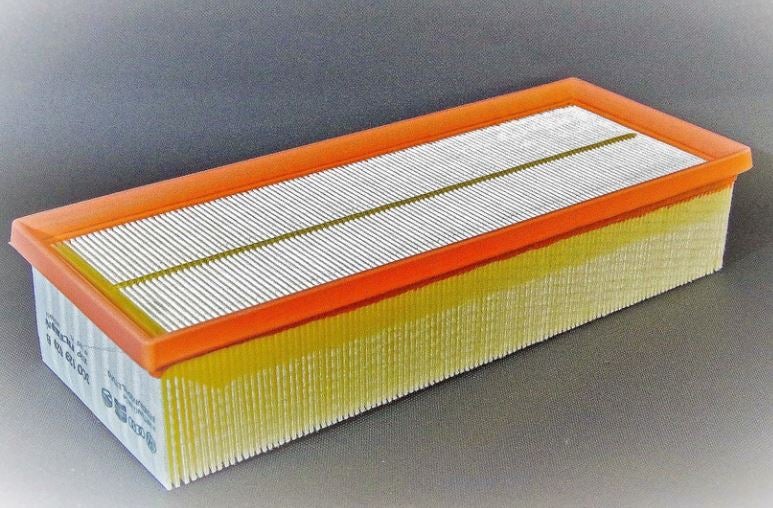
When you replace your car air filter at the factory recommended intervals at your Lincoln dealer, it will increase your vehicle's fuel efficiency, reduce emissions, and extend the life of your car. Regular filter replacements have many benefits, including keeping harmful contaminants away from the engine and ensuring that your vehicle performs optimally. 1. Increase Your Vehicle's Fuel Efficiency The top benefit of regularly replacing your vehicle's old and dirty air filter with a new one is that you will save money on fuel. When the air filter becomes dirty with road dirt and dust, it prevents clean air from reaching the engine. The clogged air filter will cause your car to consume more fuel. Ask your Lincoln technician to replace the air filter and spend less cash on gas to save money at the gas pump. more 2. Save Money on Unexpected Repairs When your air filter becomes blocked with insects, leaves, road dirt, and dust, it will prevent air from flowing freely to the engine. Soot will foul the spark plugs, and deposits will accumulate on the engine. You will start to experience all kinds of car trouble. Your car will vibrate and idle roughly and even jerk and shake. To avoid unexpected repairs and high costs, always ensure that your car's air filter is replaced at the recommended intervals. 3. Reduce Your Car's Emissions When the air filter is blocked, it causes an incorrect air-fuel mix, causing harmful contaminants to reach the engine. Over time you will find it difficult to start your car, it might even begin to misfire, and you will see black smoke pouring out of your tailpipe in your rearview mirror. Ask your Lincoln technician for an air filter replacement to reduce your car's emissions. 4. Increase Your Vehicle's Performance Regular vehicle maintenance and replacing the air filter at the factory-recommended intervals are vital to ensure that your car performs optimally. Routine air filter replacements will prevent your vehicle from losing power and damage to the engine. When you replace the air filter regularly, you will not have to worry about strange and awful noises such as coughing or popping sounds coming from under the hood or wonder why your car is slow to accelerate. Your vehicle will be in tip-top condition, and you will save heaps of money on unexpected repair costs. 5. Extend the Life of Your Engine The most important function of an air filter is to prevent harmful contaminants from reaching the engine and causing damage to engine parts. The engine cannot perform optimally when the air filter is blocked and dirty. Poor engine performance leads to high fuel consumption, a loss of power, and increases your car's emissions. A new air filter allows the correct amount of fresh air to the engine to ensure that your vehicle performs at its best. Replace your car's air filter at the recommended intervals, and your vehicle will perform optimally, and you will save money on fuel and lower your car's emissions. Check your owner's manual for the air filter replacement intervals or speak to your Lincoln technician for assistance. Contact Bayway Lincoln today and schedule a maintenance appointment to ensure that your engine is protected and running smoothly. Image Via Pixabay

Lincoln Service
2022 Lincoln Aviator

Does Your Lincoln Need a Headlight Replacement?

2022 Lincoln Aviator Driving a Lincoln means you will enjoy a safe, comfortable driving experience. Although you likely don't think about them as much as your brakes, engine, and other parts of your vehicle, your headlights are crucial for driving your car safely, so, you must know the signs to look for that tell you it's time to head to your Lincoln dealer for a headlight replacement. Your Headlights Are More Than a Few Years Old Headlights certainly aren't meant to last forever. Headlights typically last about five years or about 1000 hours of use. So, if it's been almost five years since you last changed your headlights, or if you drive with your headlights on frequently it's likely time to replace them. more Your Headlights Aren't As Bright as They Once Were Headlights need to be bright and noticeable to keep you and everyone else safe on the road. Over time it's normal for them to dim somewhat due to age as well as a buildup of dirt and grime. Any caked-on grime should be cleaned off regularly using a special headlight cleaner, but if your headlights are still noticeably dim it's time for new ones. Your Headlights Are Looking Hazy Hazy headlights are generally caused by a buildup of salt from winter roadways, damage from UV light, and general use. Some of this haze can be dealt with by using a special headlight cleaner, but if your headlights are still noticeably hazy you should look into getting new ones. Your Headlights Are Flickering When headlights come to the end of their life they can flicker or work only intermittently. However, this intermittent flashing could also be caused by a malfunction in the wiring system. But no matter the reason for the flickering it should be checked out by a mechanic so the wiring can be fixed or your headlights replaced. One or Both Headlights Is Burned Out If you don't notice any of the above warning signs you may find one or both of your headlights are suddenly burned out. For safety reasons, this needs attention immediately! And even if you only have one headlight out you should change them both since they are typically changed in pairs and your other one will likely burn out soon. Your Lincoln Dealer Tells You To Get New Headlights An inspection of your headlights is typically done during your general maintenance appointments at your dealer. You can always ask for them to be checked if it's not included. Your mechanic should be able to give you an estimate of how much life you have on your headlights. At Bayway Lincoln we guarantee a vast selection of new and used vehicles, affordable financing, and an expert service department. Our professional customer service team would love to help you find and finance your next vehicle and continue to maintain it so it serves you for many years to come. Please stop by or contact Bayway Lincoln today with any questions about our vehicles or service. Image Via Lincoln

Contact Us

Fill out this form below and we'll contact you shortly
*Required Fields