Blog / Houston Lincoln Service

Blog

All Houston Lincoln Service Houston, TX Community Houston Lincoln Dealer Bayway Lincoln Houston, TX Bayway Lincoln Service 2025 Lincoln Aviator 2024 Lincoln Corsair 2024 Lincoln Aviator 2024 Lincoln Nautilus 2025 Lincoln Corsair 2024 Lincoln Navigator 2025 Lincoln Navigator 2025 Lincoln Nautilus 2025 Lincoln SUVs 2026 Lincoln Aviator 2026 Lincoln Corsair in Houston, TX 2026 Lincoln Nautilus in Houston, TX 2026 Lincoln Navigator in Houston, TX Lincoln Certified Pre-Owned
6 Signs Your Lincoln Needs a New Car Battery

6 Signs Your Lincoln Needs a New Car Battery

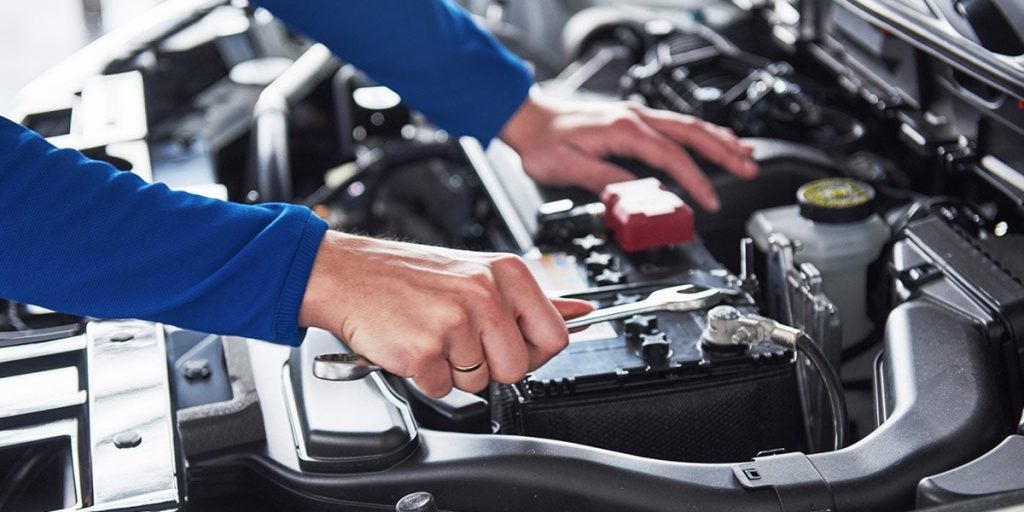
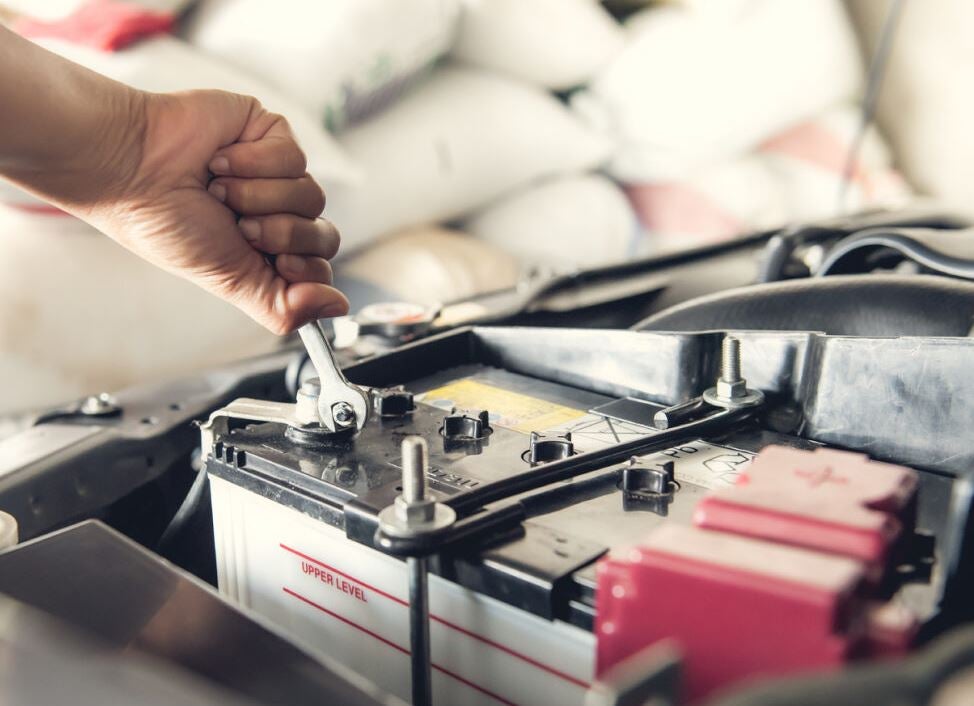
Has your car been starting slowly lately? Are the electronics acting strange? Those are both signs that you need a new car battery, and there are many more signs that indicate it's time to visit the Lincoln dealer for a battery replacement. 6 Signs You Need a New Car Battery From Your Lincoln Dealer 1. Your Battery Is More Than Three Years Old Batteries typically last for three years, although they can sometimes last longer. Once your battery reaches three years old, it's time to visit the dealer and ask whether or not you should have it replaced. Your dealer will test your battery's health and determine whether or not it's time for you to get a new one. more 2. Your Battery Case Is Corroded or Warped Visual inspections are important, as they help you spot problems in your car early. Routinely check on your battery and make sure the case isn't corroded or misshapen. A bulging battery, a battery with blisters on its case, or a battery with corrosion on its terminals should be replaced. 3. Your Accessories Are Acting Funny Sometimes one of your accessories will stop working if you've blown a fuse, but if multiple accessories act strange, then it's probably caused by an issue with the battery or the alternator. Your headlights could get dim or start flickering, your dash lights could flicker or become dimmer than usual, your radio might not work, or your windows could start moving slowly. 4. Your Car Won't Start Sometimes your battery won't show signs that it's dying, and instead, it'll just die. When your battery dies, your car won't be able to start at all. There are lots of different issues that can prevent your car from starting, so check if it's your battery by attempting to jumpstart the vehicle. If your car starts and stays running, then your battery is the problem. 5. Your Car Smells Bad Under the Hood If you pop your hood and are hit by the overwhelming stench of rotten eggs, then it means your battery is leaking. A leaky battery should be replaced as soon as possible. Corrosion on the terminals is another sign that your battery is leaking 6. Your Car Starts Slowly If it's taking longer for your engine to turn over when you try to start the car, then your battery may be failing. A worn-out starter motor, a broken alternator, or faulty wiring can also make your engine slow to turn over. You'll need your dealer to thoroughly inspect your car to determine the cause of the problem. Visit Bayway Lincoln in Houston, TX for a prompt battery replacement. Call our service department at 346-560-7165 to book an appointment. Image Via

Interior Car Care: Taking Care of Your Lincoln's Interior

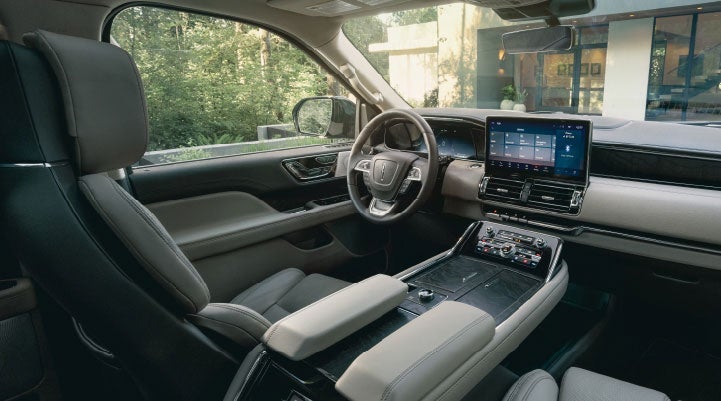
A Lincoln is a luxurious vehicle, but it won't feel that luxurious for long without some good interior car care. Here are some tips from your Lincoln dealer about how to guarantee you'll always enjoy riding in your Lincoln. Interior Car Care Tips From Your Lincoln Dealer Pay Attention to the Upholstery Maintaining the upholstery in your Lincoln is key to preserving its luxurious feel. For leather upholstery, use a high-quality leather cleaner followed by a conditioner to maintain its softness and prevent cracking. If your Lincoln has fabric seats, regular vacuuming and spot cleaning with a gentle fabric cleaner will keep them looking fresh. more Wood Trim Maintenance Many Lincoln models feature elegant wood trim, which requires special care. Dust the wood trim regularly with a soft cloth to prevent buildup. To maintain the shine and prevent warping, use a wood-specific cleaner and polish that is safe for automotive use. Touchscreen and Control Cleaning Advanced touchscreen displays and control panels require careful cleaning. Use a soft, dry microfiber cloth. Avoid using liquids or harsh chemicals which can damage the sensitive electronic components. For stubborn fingerprints, slightly dampen the cloth with water, but ensure it's not overly wet. Protecting the Carpet The carpet in your Lincoln should be vacuumed regularly to remove dirt and debris. Use a carpet cleaner for any stains or spills. Place custom-fit floor mats from your Lincoln dealership to protect the underlying carpet from wear and tear, particularly in high-traffic areas like the driver's side. Door and Window Seal Care Regularly inspect and clean the rubber seals around doors and windows. Keeping these seals clean and conditioned prevents them from drying out and cracking, which can lead to air and water leaks. Use a rubber protectant to keep the seals in good condition, and ​especially as you come into the winter season. Climate Control System Maintenance Ensure the air quality inside your Lincoln is top-notch by regularly replacing the cabin air filter. This helps keep the air fresh and free of pollutants. Additionally, cleaning the vent grilles with a soft brush or cloth will prevent dust accumulation. Detailing the Steering Wheel The steering wheel is one of the most frequently touched parts of the interior. Clean it with a suitable cleaner for its material, whether leather or synthetic, and use a soft cloth to avoid abrasion. Applying a protectant can also help preserve its look and feel. Interior Chrome Accents Care Many Lincoln interiors feature chrome accents which require gentle care. Clean these areas with a soft cloth and a mild cleaner designed for chrome. Avoid abrasive materials or cleaners that can scratch or dull the chrome finish. These are just a few tips ​that can help. Your dealership has lots of products ​that can help you protect the inside of your ​Lincoln, so to learn more, contact us at Bayway Lincoln right away. Image Via

What to Expect From a Standard Service Check at Your Lincoln Dealer

When you come for a service check at your Lincoln dealer, you can rest easy knowing your premium luxury vehicle is safe in the hands of Lincoln experts. We're committed to ensuring your Lincoln always performs just as you expect it to, and we only use genuine OEM Lincoln parts so you never have to compromise. What to Expect From a Standard Service Check at Your Lincoln Dealer A Welcoming and Professional Service Experience From the moment you arrive at for a service, expect a high level of customer service. Our staff are knowledgeable and courteous and will greet you and guide you through the process. We're known for our commitment to customer satisfaction and provide a comfortable waiting area with amenities for you during your vehicle's service. We can also offer you a complimentary Lincoln loaner car and Lincoln Pickup & Delivery if that's what you need, more Expert Technicians and Specialized Equipment Lincoln vehicles are sophisticated machines that require skilled hands for maintenance. Our technicians are factory-trained and have specialized knowledge of Lincoln models. They use state-of-the-art diagnostic tools and equipment to ensure your vehicle receives the best care: care that always meets Lincoln's high standards. Thorough Vehicle Inspection A standard service involves a comprehensive inspection of your vehicle. This includes checking the engine, transmission, brakes, suspension, and other critical systems. Technicians look for any signs of wear and tear, ensuring everything is functioning as it should. They also check for any software updates that might be available for your vehicle's onboard systems. Vital fluids like engine oil, coolant, brake fluid, and transmission fluid are checked and topped off or replaced as needed. These fluids are essential for the smooth operation of your vehicle. Other Maintenance Tires are a crucial part of your vehicle's safety and performance. During a standard check, tires are thoroughly inspected for tread depth, wear patterns, and proper inflation. Rotation of tires is often performed to ensure even wear and extend the life of the tires. The battery and electrical system are also tested to ensure they are operating efficiently. This includes checking the battery's charge and health, as well as inspecting the starter and alternator for signs of wear or potential issues. Brakes are especially inspected for wear, and brake pads or discs are replaced if necessary. Additionally, safety systems like airbags, seat belts, and advanced driver assistance systems are checked to ensure they are functioning correctly and will perform as required should you ever need them. Genuine Lincoln Parts If any parts need to be replaced, we only genuine Lincoln parts, ensuring compatibility and quality. These parts are designed to meet Lincoln's precise specifications, maintaining the integrity and performance of your vehicle. A standard service with us is more than standard. It's a comprehensive service designed to ensure your vehicle remains in top condition. If you're ready for your next service, schedule a service at your convenience at Bayway Lincoln now. Image Via

3 Benefits of Going to a Lincoln Dealership over an Independent Mechanic

3 Benefits of Going to a Lincoln Dealership over an Independent Mechanic

​​​​​​​If you need servicing or repairs to your Lincoln, you always have the choice of visiting a dealer or an independent mechanic. As your Lincoln dealer in Houston, TX, we'd like to tell you about some of the dealership benefits of choosing us for all your repair and servicing needs. 3 Dealership Benefits of a Lincoln Dealer Over an Independent Mechanic Certified Technicians Your Lincoln isn't the same as any other car. That's one of the reasons you choose it. A Lincoln is built from high-quality materials and packed with advanced technology. Repairing a Lincoln requires technicians who under everything there is to know about your car. All of our technicians are trained mechanics and then undergo advanced training at a Lincoln factory. The advanced certification our technicians receive makes them experts in Lincoln repairs and maintenance. They can work faster and more precisely than a normal mechanic, and they can identify potential issues that an ordinary mechanic might miss. In addition, our technicians have a wealth of practical experience to draw upon, as they work with Lincoln models every day. more Genuine Parts Your Lincoln is built from genuine parts, also known as original manufacturer (OM) or original equipment manufacturer (OEM) parts. OM parts are made by Lincoln itself, and OEM parts are made by companies chosen by Lincoln to supply specific components. OM and OEM parts are scientifically designed and engineered for your Lincoln model. These parts will always fit correctly and work the same as your Lincoln's original components. Independent mechanics, on the other hand, usually use aftermarket parts. Aftermarket parts are cheaper than OM or OEM parts, as they are manufactured from inferior materials. In addition, aftermarket parts are not specifically designed for your Lincoln. This means they will require adjustment and will have a shorter lifespan. Warranty All parts we use carry a warranty, and our technician's labor also has a warranty. These warranties confirm that the parts will work under normal conditions for a specific time and that the repair or service has been completed correctly according to the strict requirements required by Lincoln. In the very unlikely event of a problem with a part or labor, this problem will be corrected timeously and for free. An independent mechanic may offer a warranty on their labor, but they don't offer a warranty on aftermarket components. Since aftermarket parts aren't designed for your car, their potential working life can't be guaranteed. A warranty on labor by an independent mechanic will also require that you return to the original mechanic to have a problem corrected. There are many other reasons why your dealer is the best choice to service and repair your Lincoln. If you'd like to know more or to visit our service center, call us today at Bayway Lincoln. Image Via

Getting Seasonal Maintenance for Your Lincoln

Each season brings new challenges for your car, so it's a good idea to get seasonal maintenance at your Lincoln dealership ahead of significant weather changes. Making sure all the components of your car are running as they should will help you combat those mild-to-chilly winters as well as hot Texas summers. What Seasonal Maintenance You Need at Your Local Lincoln Dealership In Winter Although Houston doesn't always get very cold in winter, you should prepare for those days when the weather may go below freezing and the roads get icy. Cold weather causes extra strain on your battery, so get your battery tested ahead of winter. Having the right concentration of coolant in the car is also essential to stop the coolant from freezing. If you plan on traveling somewhere extremely cold this winter, then talk to your dealer about getting your oil changed out for a lower-viscosity oil. You should also consider winter tires if you'll be driving on snowy/icy roads. Make sure your headlights aren't dim or hazy to deal with the changing visibility in winter. Finally, make sure your fuel system is working well, and always keep your tank at least half full to combat freezing fuel lines. more In Spring Spring brings rainfall and thunderstorms, so you need to get your car prepared for that. Replace old, worn-out wiper blades and get your tires inspected to make sure they have enough tread to have lots of traction on wet roads. Don't forget tire rotations to make sure those tires wear down evenly. You should also get your air filters changed to combat the pollen in the air, especially if you have allergies. Getting your brakes and suspension checked is also a good idea if the winter was icy, as driving on icy roads has probably put some strain on those parts. In Summer In hot summer weather, it's essential to have enough coolant and a fully functioning cooling system to prevent your engine from overheating. You should also have your A/C checked to make sure it can keep you cool enough while driving on hot days. Hot roads can put some stress on your tires, so if the tread is getting low, then now is the time for a tire replacement. In Fall Fall maintenance is similar to the maintenance you'll get in the spring. Allergies can act up in fall, so consider getting your air filters changed to keep as much pollen out of the car as possible. September can be pretty rainy, so making sure your tire tread can deal with slippery roads is a must. Make sure your head and tail lights are working well to deal with darker evenings. Stop by Bayway Lincoln at any time of the year to make sure all your car's systems are running as they should. Image Via

What Should You Do If Your Lincoln Has a Flat Tire?

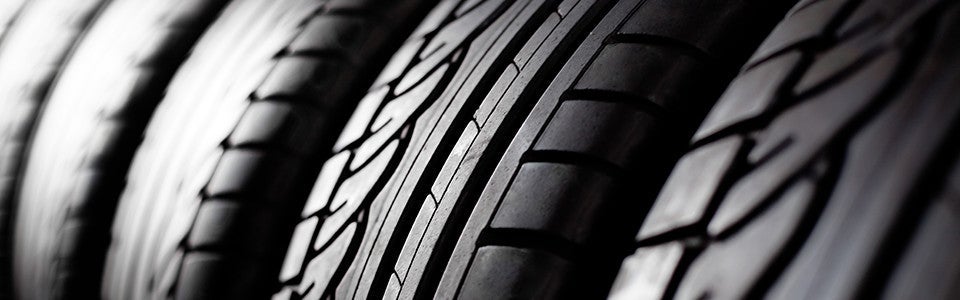
​​​​​​​​​​​​​​​​​​​​​​​​​​​​​​​​​​​​​​​​​​​​​​​​​​At some time, every driver will experience a flat tire. A tire can go flat for many different reasons, ranging from age to a sharp object in the street. As your Lincoln dealer in Houston, TX, we want to give you advice on the safest and easiest way to fix this problem. Knowing how to replace a tire yourself can save you time and money. Advice From Your Lincoln Dealer: How To Fix a Flat Tire Pull Over ASAP If you're driving and you feel your tire has just gone flat, look for the first opportunity to pull off the road and into a safe place. The best option is to select as flat an area as possible that is out of the path of traffic. While you're looking for a place to pull over, switch on your warning lights to let other drivers know you have a problem, more Get Your Tools Once you're safely away from other vehicles, ensure your engine is switched off and that your hand brake is up. You'll need to get your spare tire, jack, and tire iron. These items are usually in the trunk, but check your car manual for their exact placement on your Lincoln. Loosen the Lug Nuts Use the tire iron to loosen each of the lug nuts on the damaged tire. Don't remove them completely: just loosen them sufficiently so that you can turn them by hand. Lift Your Car Your car manual will also illustrate flat sections underneath your car that are safe to place the jack underneath. Ensure that the surface underneath the jack is solid and stable, as you don't want the jack to slip. Once the jack is in position, use it to raise your car until the damaged tire is slightly off the ground. Remove and Replace Tire Remove the lug nuts and put them carefully on one side. Once they're removed, lift the damaged tire off and place it to one side. Lift the new tire into position and move it until the holes match up. Screw the lug nuts into the tire until the tire is securely attached. Tighten the Lug Nuts Lower your Lincoln to the ground, then use the tire iron to tighten the lug nuts as securely as possible. The best way to do this is to attach the tire iron to a lug nut and then press down on the tire iron with your foot. Repeat this process until all of the nuts are tight. Drive Away Put the tire iron, jack, and damaged tire back in your ​car and drive off. ​If your spare tire is smaller than your other tires, it's important to get it replaced ASAP. ​These tires, known as donuts, should only be used for fifty miles and at a speed no higher than 50 mph. ​Now you know how to safely change a tire. Visit us today at Bayway Lincoln for a replacement tire. Image Via ​​​​​​​​​​​​​​​​​​​​​​​​​​​​

6 Benefits of Preventative Maintenance for Your Lincoln

Your Lincoln is more than just a status symbol; it adds convenience and comfort to your daily commute. However, the vehicle requires preventative maintenance to keep performing at its peak. Fortunately, a Lincoln dealer near you can provide this vehicle maintenance service, along with the associated benefits. 6 Benefits of Preventative Maintenance: Get Insights From a Lincoln Dealer 1. Increased Vehicle Safety As a Lincoln owner, you're responsible for ensuring the safety of your passengers and other road users. No doubt, keeping your vehicle in tip-top running condition is the best way to keep everyone safe on the road. Preventative auto maintenance ensures timely diagnosis and repair of issues that can compromise the vehicle's safety if left unaddressed. A safer car not only minimizes the risk of auto accidents and injuries but improves your driving record while lowering your motor insurance premiums. more 2. Good Fuel Economy Are you getting the best gas mileage from your Lincoln? Rising gas prices are one of the significant factors driving up the cost of vehicle ownership. Consequently, it helps to minimize your vehicle's fuel consumption. Scheduled maintenance helps keep the vehicle running smoothly, maximizing fuel efficiency. As a result, you'll make fewer trips to the gas station and save more money. 3. Reduced Auto Repair Costs All vehicles become worn out from normal use. Consequently, repairs are an inevitable part of vehicle ownership. Getting your Lincoln checked regularly helps catch and fix small issues before they turn into big problems, which may require expensive fixes. 4. Improved Vehicle Reliability While vehicle reliability ratings differ depending on the vehicle make and model, all vehicles require tender loving care to keep working reliably. A well-maintained Lincoln guarantees reliable transport, as it minimizes the risk of unexpected breakdowns while driving. 5. Enhanced Ride Comfort Uncomfortable rides are no fun, but they can also be a clear indication that you're neglecting your Lincoln. If the shocks, struts, tires, and brakes on your car are not routinely checked for damage or deterioration, they can make your daily travel rough and bumpy. With regular vehicle maintenance, you can minimize road disturbance for optimal driving comfort. 6. Increased Car Resale Value Should you consider reselling your ride at some point in the future, you'll want to get the most money possible for it. Maintaining the vehicle well is one of the surest ways to preserve its value. Today's used car buyers don't just care about a pristine interior and exterior, but healthy, smooth-running parts and systems, as well. Adequate maintenance is not just essential for keeping your vehicle in excellent working condition: it helps minimize the life-cycle cost of vehicle ownership while preserving the vehicle's resale value. Contact us today at Bayway Lincoln to schedule a service appointment for your ride! Image Via

What Should You Do if Your Engine Is Leaking?

Your Lincoln's engine contains a variety of fluids. Each of these fluids has a specific function in the smooth operation of your car. If you experience an engine leaking, your Lincoln dealer can repair it for you. We'd like you to know about some of the fluids that could leak and how they affect your engine. Engine Leaking? Visit Your Lincoln Dealer Today Coolant Coolant is pink, blue, yellow, or green, and it's a mixture of antifreeze and water. The coolant's job is to absorb heat radiating from your engine and transport this heat to the radiator for dispersal via heat exchange. Coolant can leak from a variety of places, including worn radiator hoses, a damaged radiator, or a faulty seal. If your engine is leaking coolant, you'll see a sharp rise in engine temperature. If the leak isn't repaired, your engine could overheat. more Oil Fresh oil is gold-colored but will turn brown and then black as it works. Oil is pumped through your engine and it provides friction protection to all the engine components. The oil helps to reduce the engine temperature by cooling the hot components as it passes over them. It also contains additives that prevent rust and reduce blockages. Oil will usually leak from a damaged or cracked seal. If oil continues to leak, engine components can seize up. Transmission Fluid Transmission fluid is bright or dark red and has a slightly sweet smell. It provides the hydraulic pressure that allows your gears to shift smoothly and easily. It's pumped through the transmission and protects the transmission components with a friction-resistant coating. Friction-resistant protection is essential in transmission components, as many of them rely on friction to operate effectively. A lack of transmission fluid will cause problems shifting gears, and the transmission can overheat. Fuel Fuel leaks are dangerous, as fuel is highly flammable. It has a very distinctive smell, but it can be difficult to see as it's clear in color. This liquid can leak from various places, including a damaged fuel line, a cracked seal, or damage to the intake manifold. Depending on the site and size of the leak, your car can rapidly run out of gas and stop. Brake Fluid Brake fluid is another fluid that can be difficult to see. It's clear with a slight yellow tinge, and it's essential for your braking system. The fluid provides the hydraulic pressure that forces the calipers against the rotors, which brings your car to a stop. Brake fluid can leak from rusted brake lines, worn brake hoses, or a leak in the brake fluid reservoir. A loss of brake fluid will make braking more difficult and dangerous. Fluid leaks are usually due to delayed servicing and maintenance, as components gradually wear out and need regular replacement. If you spot any leaking fluid, call our service department ASAP at Bayway Lincoln. Image Via

Does Your Lincoln Need to Replace a Car Engine Belt?

The alternator belt is a vital part of your car's engine. As the crankshaft turns, it causes the alternator belt to move. The belt moves across a series of pulleys and causes the pulleys to spin. The spinning pulleys power the alternator, AC, and other important components. As your Lincoln dealer, we'd like to tell you some signs that you need a new car belt. Squealing Noises The alternator belt is manufactured from tough, reinforced rubber, but it can eventually wear out. A belt is usually replaced every 40,000 to 70,000 miles. Your Lincoln's manual will give the exact time for replacement, as the belt is changed during one of your scheduled services. One of the first signs that your belt is starting to go bad is a chirping noise, which will gradually escalate into louder squealing noises. An alternator belt is kept under constant tension to work correctly. Your belt's tension is maintained by a spring-loaded or hydraulic belt tensioner.  A failure in the belt tensioner can cause the belt to squeal even if the belt is in good condition. Our technicians will check the belt, and fix the problem. more Your Belt Is Covered in Oil A good belt can be damaged by problems with other parts of your engine. One possible cause of this damage is an engine oil leak. Engine oil is the lifeblood of your car, as it serves to lubricate all of the moving parts. It also helps to control the temperature in your engine by reducing friction between moving components. Wear or damage, however, can cause an oil leak. Oil and rubber don't mix. If your engine develops an oil leak, the oil may drip onto the rubber. Oil will rapidly react with the rubber and damage it. The oil breaks down the rubber and can cause your belt to stretch. If the leak continues, a damaged belt can eventually snap. Our technicians will find and repair the cause of the oil leak, then we'll replace your belt. Failing Components As we've seen, the movement of the belt powers a variety of key components in your car. Should your belt start to fail, this failure will affect these components. You may, for example, notice that your steering becomes heavy. If you struggle to turn the wheel, the problem could be due to a damaged belt. The belt controls the power steering pump, which allows you to easily turn the wheel. A damaged belt reduces the pump's pressure and makes steering difficult. Once we replace the belt, your steering will return to normal. If you think you may have a worn belt, call us right away at Bayway Lincoln. Image Via Lincoln

What to Do About Car Dents and Scratches on Your Lincoln Vehicle

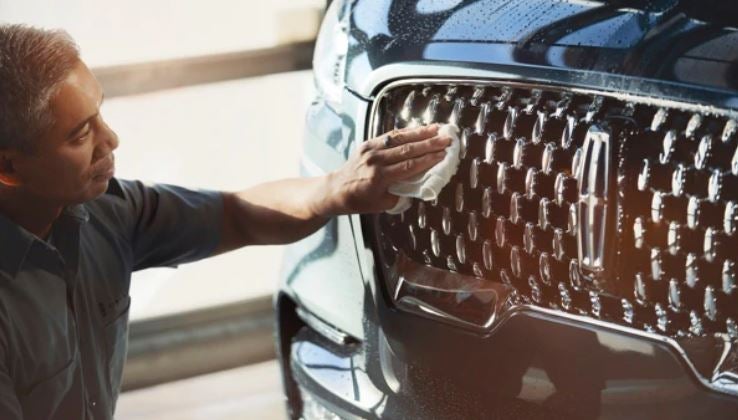
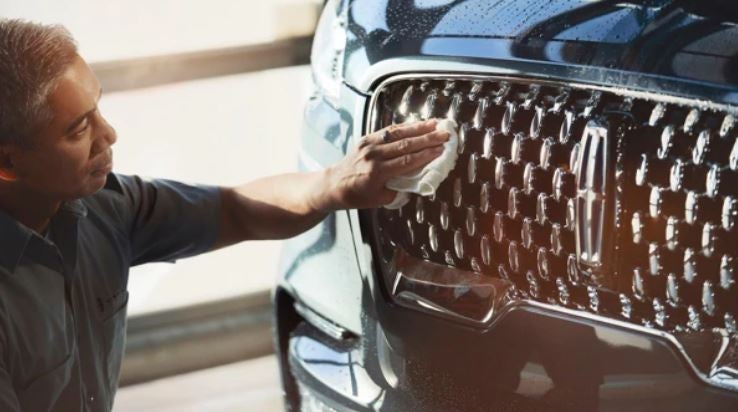
Car scratches and dents are an inevitable but aggravating aspect of being a car owner, and sometimes it just feels easier to ignore them. However, this is most definitely a false economy, especially when you consider how much effort you put into keeping your Lincoln washed and waxed to show off its sleek lines. Read on for some of the reasons why you should contact your Lincoln dealer to deal with your car dents today. Car Dents Might Mean Underlying Damage No matter how careful you are, it's impossible to guarantee that a misjudged maneuver or a moment of inattention won't cause a dented vehicle. It can be tempting to ignore dents, especially if they're unobtrusive, but the problem might go deeper than you think. Sometimes a dent can mask more serious damage to your car, and might even undermine its structural integrity. For example, a dent might mean that your bumper has been damaged or broken. And because it's specifically designed to protect you by absorbing impact, there could be serious implications if you're involved in a collision. By getting professional assistance to deal with dents, you're ensuring that you drive with optimum safety. more Scratches Lead to More Serious Degeneration The "clear coat" is a layer of transparent paint or resin that gives your car its glossy finish. Crucially, however, it also protects your car's paintwork and steel body from weathering and deterioration. Once it's been breached by a nick or scratch, moisture can infiltrate and react to the metal parts of your car, causing rust. This spreads, so the affected area is likely to grow, and may also cause debris to flake off and graze other parts of your car. As well as moisture, your car's paintwork is also vulnerable to the sun. Without the protective clear coat, the ultraviolet rays will cause your paintwork to fade, making it lustreless and patchy. Disrepair Will Reduce the Resale Value If you decide to sell, the buyer is more likely to pay a higher price for a car that seems like a good investment. Scratches and dents reduce your car's visual appeal in and of themselves, but they also cast doubt on how seriously you've taken your responsibility as a vehicle owner. Someone who doesn't deal with minor issues promptly may also be assumed to have let things slide when it comes to bigger maintenance matters. For a good offer that reflects your car's true value, it pays to ensure that the presentation is flawless. The damage from scratches and dents will only get worse over time, but it's also not worth the niggling irritation that comes from knowing that minor issues are undermining the look and style of your vehicle. We want you to get the full enjoyment out of your Lincoln ownership, so schedule an appointment at Bayway Lincoln, and we'll restore your car to the very best version of itself. Image Via Lincoln

Electrical Problems? Visit Your Lincoln Dealer Today

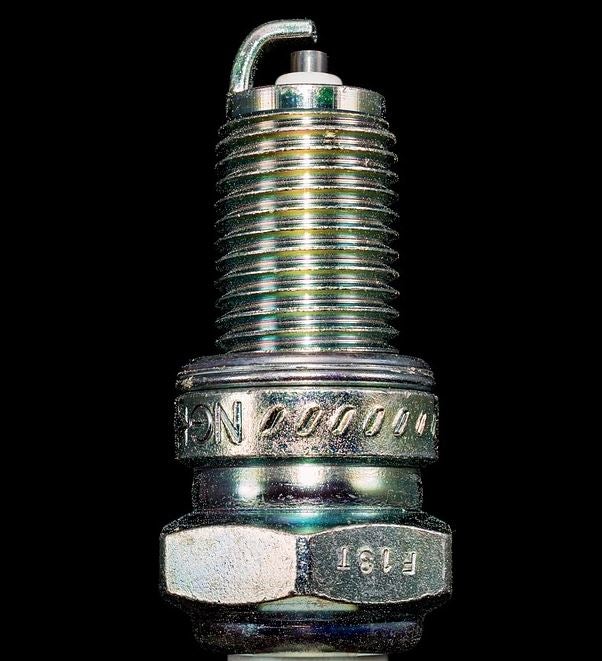
Electrical problems can be a major headache for any driver. These problems can also cause random failures to other components. Fortunately, your Lincoln dealer can fix any problem with your electrical systems. We'd like to tell you more about some examples of the problems our technicians can fix. Worn Alternator The alternator produces the electrical power for your car. It generates electricity by using the mechanical energy from the turning of the crankshaft to produce electrical energy. Your alternator, however, has a finite life, and it will start to wear down. On average, an alternator will last for eight years before it needs replacement. A worn alternator will produce less electricity, and this will start to affect your car's electrical systems. You may notice random electrical issues that will become more frequent as time passes. You may also experience starting difficulties as the alternator isn't fully charging your battery. Our technicians can test your alternator and replace it if it's worn. more Spark Plugs The spark plugs provide an ignition source for combustion. Fuel and air will mix in the intake manifold, and this mix is pumped into the cylinders. In the cylinders, the mix is compressed and then ignited by the spark plugs. A problem with the spark plugs can cause misfiring and possible engine damage. The plugs can fail due to age or damage from other components. Our technicians can test your plugs and replace any that have failed. If you need to frequently replace the plugs, this points to a deeper problem. The issue could be a fuel-rich engine, where there is a lack of air and too much fuel. The excess fuel will coat the plugs in carbon which gradually causes them to fail. We'll investigate and fix the cause of the problem. Blown Fuses Every electrical component in your car has a fuse attached to it. These fuses protect their attached component from electrical surges, shorts, and other issues. An electrical issue can cause the fuse to blow. This will protect the component, but it also means the component is switched off until the fuse is replaced. We will check the fuses and replace any blown ones. Frequent fuse problems could be caused by a fault in the electrical system, a damaged fuse box, or a worn alternator. Our technicians will test each of these possible causes. A worn alternator, for example, will disrupt the electrical supply. The reduced amount of electricity produced by the alternator causes electricity to be shifted from component to component, which can damage the fuses. Our Lincoln-trained technicians are experts at electrical repairs. Call our service department at Bayway Lincoln, and we'll fix the problem for you. Image Via Pixabay

5 Signs You May Need a New Catalytic Converter

Essential to the environment, the catalytic converter is the component of the exhaust system that breaks over 90% of toxic emissions down into greener compounds. It's also essential to the optimal performance of your engine and the overall health of your car, so it's vital that you know when to contact your Lincoln dealer to organize a checkup or replacement. 1. Mounting Mileage The converter, also known as the "cat", should last for up to 100,000 miles or ten years, so you might find that it outlasts your car. However, if your vehicle has a lot of distance under its belt, you should stay alert to signs that the exhaust system is struggling. more 2. Rattling Noises Under the Engine The cat consists of a honeycomb-like structure that is covered with tiny pores and coated in metals such as nickel and palladium. If it becomes damaged, usually by age, heat, or a sharp blow, it might start to break up. Pieces of the mesh can then infiltrate your exhaust and cause rattling noises, loudest at ignition, when the engine is running. Left untended, this can cause further damage to the exhaust system, so it's important to get it checked out. 3. Unpleasant Odors A sulfuric smell, similar to rotten eggs, might be another indication that all is not well with the cat. Instead of breaking hydrogen sulfide into harmless sulfur dioxide, a malfunctioning converter will let unburnt fuel into the system, causing an odor that won't enhance your enjoyment of the drive! Other signs include a burning smell or thick black smoke that emits from the exhaust. 4. Underwhelming Performance At ignition, most engines require an air-fuel ratio of 14:1, but a faulty converter will allow too much fuel into the engine, restricting the airflow and potentially damaging the spark plugs. This could cause the engine to die a few seconds after ignition, or lead to a sluggish response when you accelerate or drive at speed. It may also allow unburnt fuel into the exhaust system, wasting it and impacting your fuel efficiency. 5. Failed Emissions Test Most Texas cars receive an emissions test as part of their annual inspection, and if the cat doesn't work then the vehicle won't pass. A fully operational converter is essential to keeping your car on the road. Ignoring the signs of a faulty, clogged, or broken converter could result in the buildup of harmful chemicals in the engine, leading to costly damage down the line. If you think your cat needs checking, or if you have any doubt at all, contact us at Bayway Lincoln to schedule a service. Our trained technicians will meet your highest expectations when it comes to expertise, advice, and repair. Image Via Lincoln

Contact Us

Fill out this form below and we'll contact you shortly
*Required Fields